Wednesday, April 13, 2016

Let's Check in On What We're Learning!

How Do We Assess Learning in the Art Room?

In September I measured how well our Howe Manning fifth graders understood basic color theory principals. It was great to see that so many students (84%) knew the most basic: primary and secondary colors.  The assessment showed that we still need to work on those trickier ones: analogous and monochromatic colors. 

Throughout this year we practiced color theory in lessons, extension activities, and by using exit tickets.  I often ask students to line up by complementary table colors or analogous table colors.  

I checked in on what we learned in January and February and was excited to see that we've made progress! You can compare the pre and mid year results below. 


It looks like we made gains in each category
I'd love to see if we can really drive these definitions in for the end of the year!


PreK–12 STANDARD 2.7 : Elements and Principles of Design Students will demonstrate knowledge of the elements and principles of design. For color, use and be able to identify hues, values, intermediate shades, tints, tones, complementary, analogous, and monochromatic colors Demonstrate awareness of color by painting objective studies from life and free form abstractions that employ relative properties of color

Monday, April 11, 2016

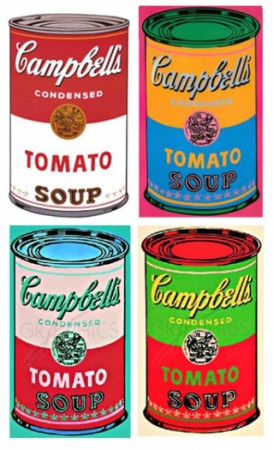
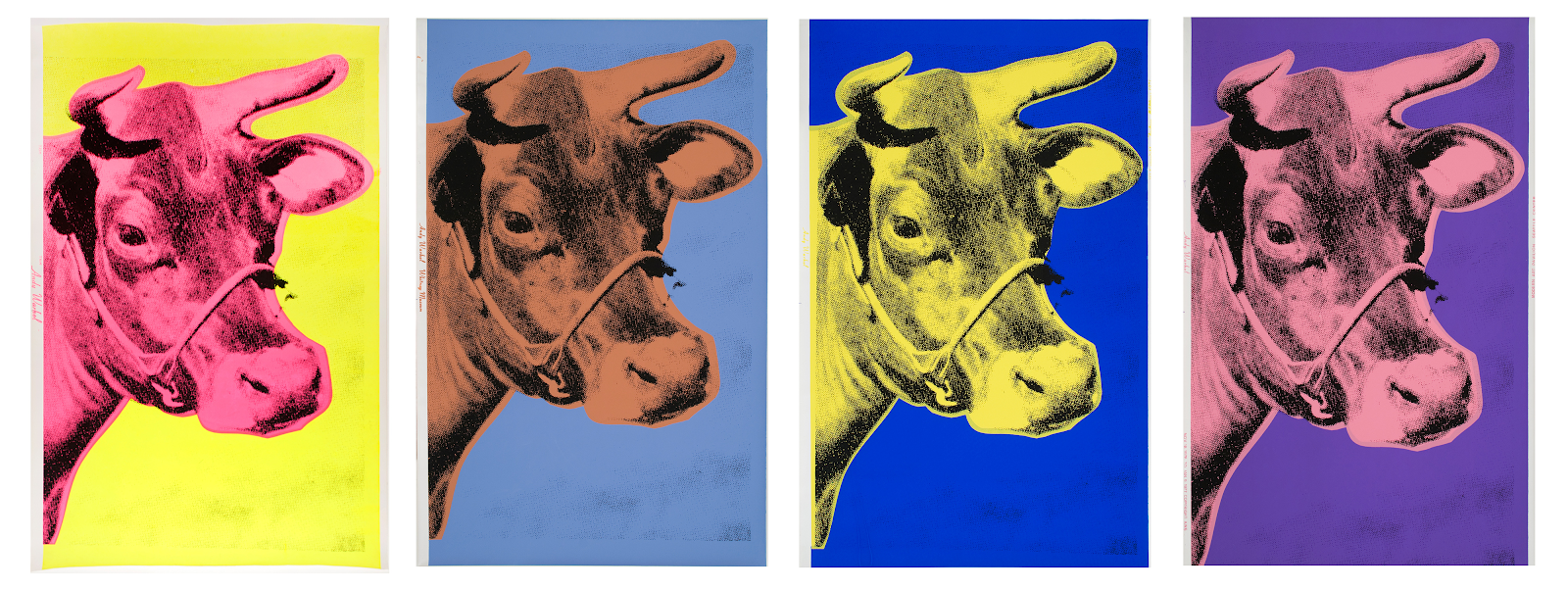
April Mystery Artist

It's time for the April Mystery Artist!

I lived from 1928 - 1987

I was a leading artist in the 1960’s Pop Art Movement

I worked in a wide range of art forms including printmaking, filmmaking, writing and performance art.

Artistic expression, celebrity culture, and advertisement were themes in my artwork.


Submit your guess by the end of April!

Thursday, March 17, 2016

Assessments Galore!

How Can We Check for Understanding in the Art Room?

There are so many ways that we can assess learning and understanding in the art room.  
Here are a few that we are putting to use this year at Howe Manning.  

We have been measuring a few key concepts this year.
 Color Theory and Perspective

My 4th and 5th grade students took the following assessments twice this year and 
are scheduled for one more in May.


We also do exit ticket challenges when leaving the classroom.


Finally, students have been self-reflecting on their work.
I hope that their reflections will help them to improve their work on future projects.


Wednesday, March 16, 2016

Printmaking in the Art Studio

How Does Printmaking Allow for Bringing Art to the Masses?


Howe Manning fifth graders are learning about printmaking and 
how they use a printmaking plate to create multiple pieces of identical artwork.

We watched videos that demonstrated 2 different styles of printmaking plates: 
collographs and relief plates


Printmaking is fun, but it is a lengthy process. The tutorial below illustrates all the steps necessary to create a successful print.  We used the tutorial below to remind us of the printing process.
 We've just started doing practice prints called proofs.
Ask your 5th grade artist how many times it took to get the hang of it!


5th graders were tasked to say something meaningful about themselves through an object.  They really thought carefully about what they wanted to say and how to represent that with an image.

For their final copy, 5th graders where challenged to explore printing their images with different color ink, showing repetition, printing on colored backgrounds, and on interesting unique backgrounds.  They learned how all of these images are a part of their print edition. 


What do you think of their ideas? What do they say to you?

Friday, March 11, 2016

March Mystery Artist is Here!

March's Mystery Artist is a personal favorite of mine. 
One of my art bucket list items to see some of their work in person!  
The MFA might just make that happen very soon (hint, hint!)

I lived from 1907-1957.


I was a Mexican self-portrait artist.


Mexican culture and tradition are important in my artwork.


I was in a serious traffic accident as a teenager which influenced a large amount of my art.

"I paint myself because I am so often alone and because I am the subject I know best."


Kindergartners are Mixing Colors!

How can we use the primary colors to create all other colors?


Kindergarten artists are learning about using the primary colors to make orange, green, and purple, the secondary colors.  We started out by watching this collaborative video between Sesame Street and OK Go.
Watch it as a family, its so fun!

These young artists doubled as scientists and underwent color mixing experiments. I borrowed this paint pallet set up from teach kids art.  It worked out so well and helped each student mix their colors successfully. 


Each color circle was then turned into a little bird.


Finally birds were adorned with complementary color feathers. We watched a special ballad about complementary colors to learn which color pairs complement each other.  K's loved watching these video's and would love to share them with you.


So many skills were learned: primary, secondary, and complementary colors all in one lesson. WOW!


Sunday, March 6, 2016

The Year of the Monkey!

How do traditions and holiday celebrations of other cultures compare to our own culture?

Mrs. LaVangie's 2nd grade artists are learning about Chinese New Year and the special dragon dance that often takes place to celebrate the holiday.  Students also learned that it is traditional to hang lanterns and scrolls outside of homes and businesses.

This year 2nd grade artists are integrating both of these traditions to create beautiful dragon lanterns.

Students first created detailed dragon drawings.


Tempera paints were used to add vibrant colors to their dragon paintings.


Finally, a lantern was created and cut from red construction paper to act as an outside layer for these young artists dragon paintings. 

Look closely through the slats and you will see a colorful dragon surprise!


How does your school celebrate Chinese New Year?